

You sit down at a terminal in Perth and the first thing you notice is how the numbers are laid out. Not the spin, not the flash, but the rhythm of the board itself. A number games casino should feel like a well-run trading desk: clear labels, sensible grouping, and no clutter hiding the action. From my seat at Independent Gaming Pty Ltd, I’ve spent enough time watching operators overbuild their lobbies to know that a clean number grid beats a busy one every time. If the layout asks you to hunt, you’ve already lost time before the first card turns.
How the Numbers Actually Present Themselves
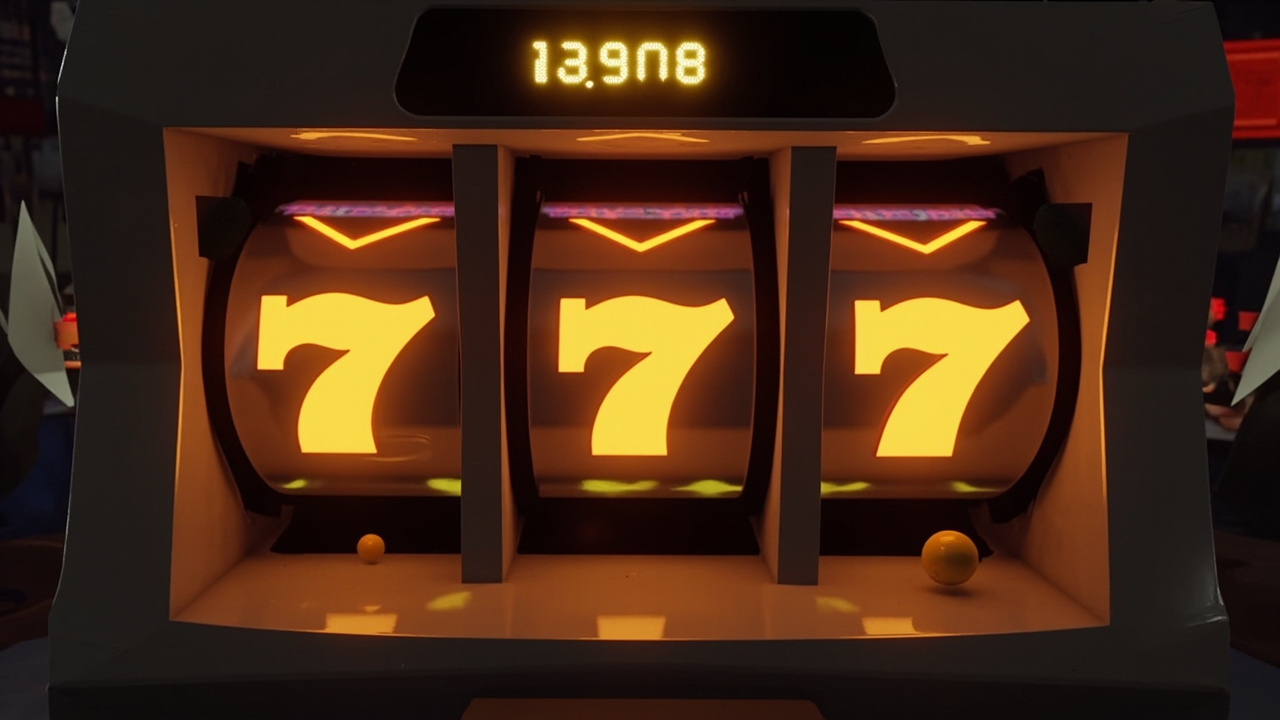
When you open a number games casino on a phone or a desktop, the interface should sort itself around what you’re trying to do, not around what the operator wants to sell first. I’ve seen UK operators push bonus tiles to the top of the screen while burying the actual number boards two taps deep; it works for conversion in the short term and frustrates regulars by lunch. A better setup keeps the main number tables visible, groups them by stake range, and lets search do the heavy lifting. Currency and language should already be local – dollars, Australian phrasing, no awkward conversion prompts – because a player in an arvo doesn’t want to decode a foreign menu before placing a line. https://downtownbooksandnews.com/
The walkthrough starts with the entry point. You tap in, the lobby shows the active number games, and the most common stakes sit where you can reach them without scrolling through promotions. Navigation should mirror how people actually play: quick access to the tables they use, a clear way to filter by limits, and a search that returns the game, not a marketing page. I judge this the same way I judge supplier strategy – if the front end makes a sensible operator look disorganised, the product underneath is probably carrying the same problem. Localisation isn’t a polish item; it’s the difference between a board you understand in one glance and one you keep re-reading.
Where the Edge Lives and Where It Doesn’t
Number games reward patience more than they reward noise, and that’s where operator discipline shows. Edge sorting exploits tiny manufacturing differences on the backs of cards, a real vulnerability that surfaced in high-stakes environments and forced the industry to tighten card handling and shuffle protocols. You won’t see that in a standard online number board, but the principle matters: the operator’s job is to keep the mechanics honest and the presentation plain. The pioneering “Friedman” design theory favoured low ceilings, no windows, and gambling near every path, which is exactly the kind of environmental pressure a digital lobby should avoid. A number games casino works better when it gives you space to decide rather than steering you past every decision point.
From a commercial view, that means stake labels that match reality, payout tables that are readable without a magnifier, and no hidden steps between choosing a line and confirming it. I’ve compared this with practice in New Zealand, where the screen real estate tends to stay reserved for the game and the extras sit behind a menu you choose to open. That restraint is worth copying. A Perth player wants the numbers, the limits, and the confirmation in front of them; everything else is a decision you can make later. If the operator keeps the path short and the wording plain, the product earns its place. If it pads every screen with prompts, you start measuring the experience in clicks instead of decisions.
Payments, Registration, and the Daily Grind
The practical side of a number games casino is where most of the friction lives, and it’s where a managing-director eye catches the gaps fastest. Registration should ask for what it needs and nothing more, with verification handled in a way that doesn’t turn a simple signup into a half-day project. Payments need to match the audience: local options, clear limits, and a currency that stays in dollars from entry to settlement. I’ve watched US-facing products assume every player wants a credit-card-first flow and then wonder why Australian users drop off at the deposit screen. The fix is boring and effective – offer what the local market actually uses, state the limits plainly, and keep the confirmation steps short. Thesaturdaypaper
Support and loyalty matter here because number games are often a regular habit rather than a single session. A decent loyalty setup rewards frequency without turning into a maze of tasks, and support should be reachable when a deposit stalls or a balance looks off. I reckon the best test is whether a player can sort out a routine issue without opening three different menus. If the operator has thought about the daily grind – the repeat stakes, the quick checks, the occasional problem – the whole operation feels steadier. You don’t need a crowded feature list; you need the core loop to work cleanly, every time.
Practical Questions
What should I look at first when I open a number games casino?
Start with the lobby structure and the search bar. If the number boards are easy to find, the stake filters work, and the currency is already local, the rest of the experience usually follows. A cluttered entry point is a warning sign, even if the games underneath are fine.

How do I tell if the interface is actually built for regular play?
Watch how many taps it takes to move from choosing a line to confirming it. A well-run number games casino keeps that path short, keeps the payout table readable, and doesn’t bury the game behind promotional tiles. If you’re clicking around just to place a normal stake, the layout is working against you.
What matters more than bonus offers in this space?
Consistency of the core loop. Clear limits, local currency, straightforward registration, and support that can handle a routine issue without a runaround matter more than a one-off promotion. I’ve seen operators chase bonus noise and lose regulars because the everyday flow was the weak link.
Comments are closed